
AI Search Optimisation: How to Get Your Brand Cited by ChatGPT and Google AI Overviews
Search has a new front page. For a growing share of queries, Google shows an AI Overview above the organic results, and millions of buyers now ask ChatGPT, Perplexity or Gemini for a recommendation before they visit a single website. If your brand is not part of those answers, you are invisible at the exact moment a decision is being made.
The good news: AI search engines still rely on the open web. They quote and cite pages that are clear, factual, well structured and trusted. That is what AI search optimisation is about. You will often see it split into two terms:
- AEO (Answer Engine Optimisation): structuring content so it directly answers questions and can be lifted into an answer box, AI Overview or voice result.
- GEO (Generative Engine Optimisation): making your brand and pages the sources large language models choose to mention and cite.
Below is the approach our SEO team uses at Digitalists, led by Muhammad Bilal Rizwan.
How AI search engines choose their sources
Every AI search system works a little differently, but they share a pattern. They retrieve pages that already rank or are well indexed, pick passages that directly answer the question, and favour sources that look authoritative and consistent across the web. In practice that means three things matter most:
- Retrievability: your page must be crawlable, indexed and ranking for related queries. AI search does not replace classic SEO; it sits on top of it.
- Extractability: the answer must be easy to lift. Short, direct answers under clear headings beat long, vague introductions.
- Trust: clear authorship, real data, consistent facts about your business and mentions on other reputable sites.
Step 1: Fix the technical foundations
If search engines struggle to crawl or render your site, AI systems will too. Start with a technical audit: indexing in Google Search Console, Core Web Vitals, clean internal linking, a logical silo structure and valid schema markup (Organization, Article, FAQ, Product or Service as relevant). These fixes are unglamorous, but they decide whether your content is even in the running.
Step 2: Write answer-first content
Look at the questions your buyers actually ask. Then answer each one in the first sentence or two under a heading that mirrors the question. Expand afterwards with detail, examples and data. This pattern helps you win featured snippets, AI Overview citations and ChatGPT mentions at the same time.
- Use one clear question per heading.
- Give the direct answer first, in plain language.
- Support it with numbers, steps or comparisons.
- Keep facts consistent across every page on your site.
Step 3: Build topical authority with entities
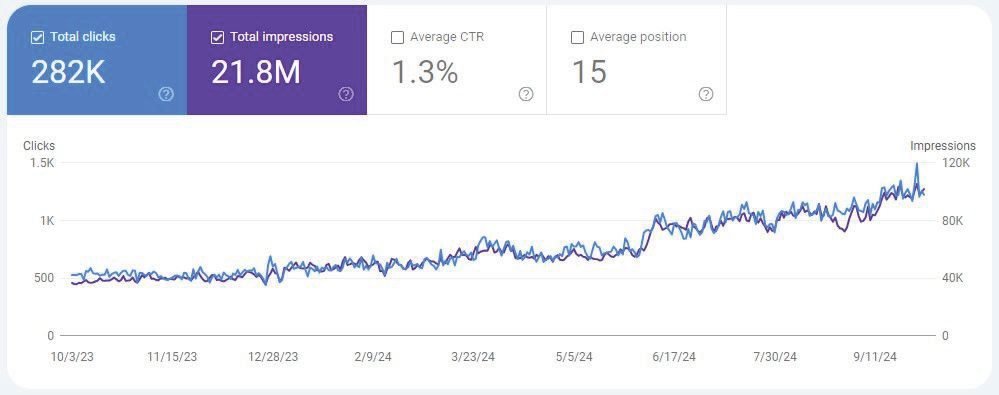
AI models understand the world through entities: people, places, products, services and the relationships between them. A topical map covers every important sub-topic in your niche and links related pages together, so search engines see you as the expert on the whole subject, not just one keyword. This semantic approach is how our team grew a Dubai clinic group from about 150 to more than 2,000 organic leads a month. Read the case study.
Step 4: Show real experience and evidence
Generic content is easy for AI to ignore because it adds nothing new. Pages that include original data, screenshots, named experts and real results are far more likely to be cited. Add author bios, cite your own numbers, and publish case studies that prove what you claim.
Step 5: Earn mentions beyond your own site
Language models learn from the wider web. Consistent mentions of your brand on industry sites, directories, review platforms, podcasts and digital PR coverage make it more likely you are named in AI answers. Make sure your business name, services and location are described the same way everywhere.
Step 6: Measure what you can
AI search reporting is still young, but you can track a lot: Search Console impressions for question-style queries, featured snippets won, referral traffic from chatgpt.com and perplexity.ai in GA4, and regular manual checks of how AI tools describe your brand for your key topics.
Common mistakes to avoid
- Publishing thin AI-generated articles with no original insight.
- Burying the answer under long introductions.
- Inconsistent business details across your site and listings.
- Ignoring technical SEO because “AI search is different”.
Where to start
AI search optimisation is not a separate channel. It is modern SEO done properly: technically sound, answer-first, entity-rich and backed by evidence. If you want a clear plan for your site, our SEO and AI search service starts with an audit of where you stand today, and our CRO team makes sure the extra visibility turns into leads. Book a strategy call to get started.